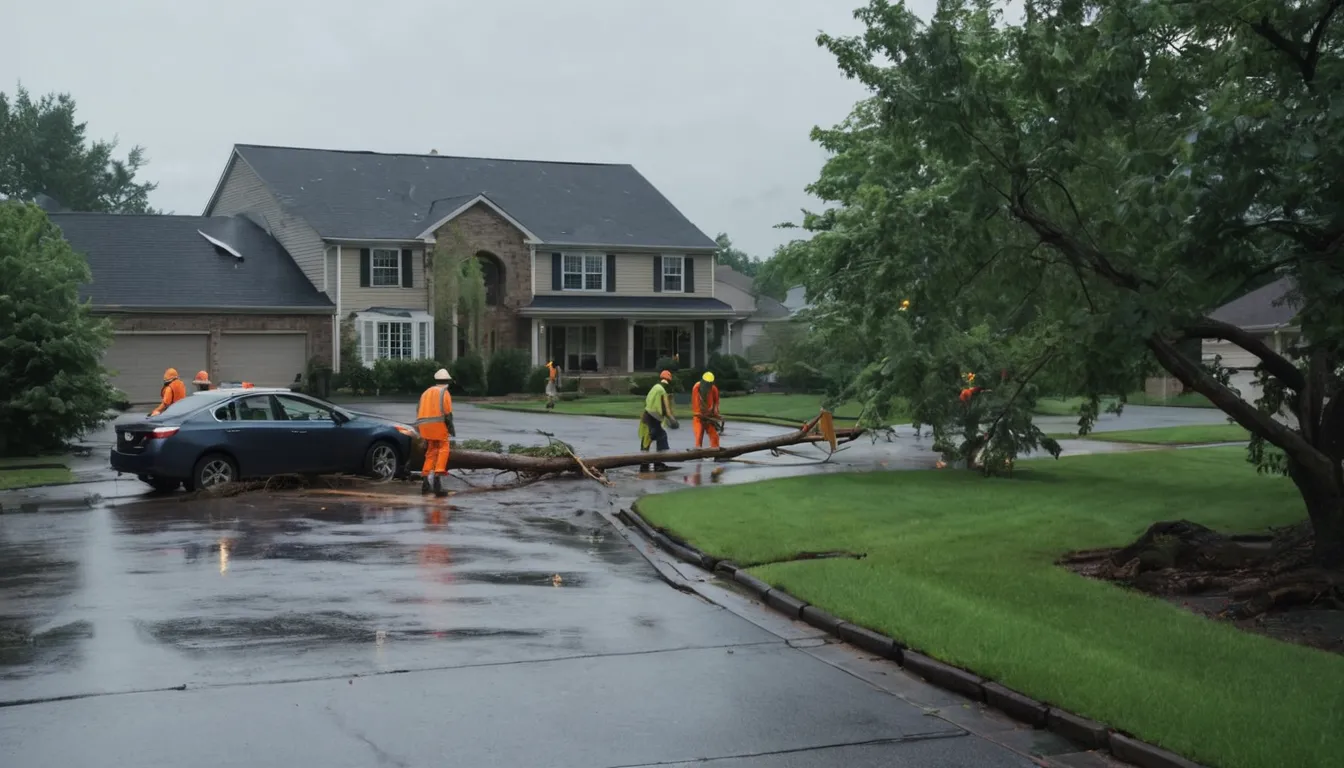
Need emergency tree removal in Independence?
Request an estimate or email contact@departmenturban.living. Tell us about the tree and a provider in our network will follow up to plan the work.
No obligationDepartmenturban Tree Service is a referral service. When a tree comes down in Independence, we match you with an independent provider in our network who handles urgent removal. The provider does the work. We keep the matching step short and clear.
This page covers fallen trees, split trunks, and storm tree clearance across the Independence area. You will find a safety checklist for the first hour, a plain look at how clearing works, typical price ranges, and questions to ask before work starts. Many providers can respond quickly, though availability varies by provider and by how many homes a storm has hit. Matched, then quoted: you see the price in writing before you agree to anything.
If a tree has fallen, treat the area as unsafe until a professional says otherwise. Keep everyone inside and away from the tree, the roof and any hanging limbs. A trunk under tension can shift without warning, especially when the soil is soaked from a hard thunderstorm or spring flooding.
If a line is down, sagging, or touching the tree, stay well back and contact the utility company and emergency services. Do not touch the tree or anything it rests on. A line can be live even when it looks dead.
A clear order of steps beats a rushed decision. Work through this list:
Some situations should not wait for a regular booking:
Not sure? Send photos with your request. A provider can often tell from a picture how urgent it is.
A dead tree standing in a quiet corner, or a small limb on the lawn, is rarely a crisis. Book it as planned work. Providers can usually schedule these once urgent jobs are handled.
Storm tree clearance follows a set order. Knowing it helps you plan the day.
The provider studies the tree, the weight on the structure, and the path out. Tension is the main hazard. A trunk bent under a roof can spring back when cut, so providers read the load before the first cut.
The first goal is to take weight off the building. Limbs come off in sections and are lowered with ropes. For large trunks, a crane may lift pieces over the house. The trunk is usually cut last.
Wood is cut down and hauled away, or left as logs if you prefer. Ask about raking and debris removal when you get the quote. Stump grinding is a separate job and can be booked later.
Busy households need a plan that fits school runs and work hours. Tell the provider about pets, young children and parked cars. Move vehicles out of the drop zone if it is safe. Ask for an arrival window and the name of who to expect. Hours vary by provider, so confirm them when you are matched.
Some policies may cover sudden damage from wind, hail or a fallen tree. Check your policy for deductibles and limits. Providers can often help document damage for a claim with dated photos and a written description. Keep every receipt. Do not assume anything is paid until your insurer confirms it. A tree that failed from long decay may be treated differently.
When a storm hits a whole neighborhood, many households need help at once. Providers sort jobs by danger: trees on homes first, blocked roads and driveways next, yard cleanup last. If yours is not an emergency, expect a longer wait.
Conditions slow the work too. Closed roads, utility crews and soft ground all play a part. Make the path to the tree easy to reach, and keep sump pump discharge areas clear of equipment tracks.
A yearly look at your trees takes ten minutes. Watch for dead branches, mushrooms at the base, cracks in the trunk, and any new lean. Older frame houses and bungalows with big trees close to the roof are the most exposed.
Prune before storm season. Deep frost can crack wood, and a spring thaw can loosen roots. If a tree is clearly failing, planned removal is calmer and usually cheaper than an urgent one.
Plan around life. Tell us what fell, where it landed, and who is home. Departmenturban Tree Service passes the details to a local provider so you can see a written quote before work begins.
Trunks and limbs cut into sections and cleared from roofs, yards, fences and driveways.
Providers can assess wind, hail and thunderstorm damage and make the area safe for your household.
Split, leaning or cracked trees taken down before they cause harm to the home.
Ask about hauling branches and logs away so your yard is usable again.
Prices vary by tree size, access, and how much damage is involved. These are typical U.S. ranges only. Always ask for a written quote before work starts.
| Item | Typical range | Notes |
|---|---|---|
| Fallen tree cleared from yard | $500 – $1,800 | Depends on trunk size and access |
| Tree removed from roof or structure | $1,500 – $5,000+ | Higher with heavy damage or tension |
| Large limb removal | $300 – $1,000 | Hanging or split limbs cost more |
| Crane-assisted removal | $1,500 – $4,500 | Used when ropes are not safe |
| Debris haul-away | $100 – $500 | May be included in the quote |
| Urgent-job premium | $150 – $800 | Varies by provider and demand |
Move everyone away from the tree, stay clear of power lines, and take photos from a distance.
Request a callback or fill in the form with what fell and where.
A local provider reviews your photos and confirms availability and timing.
Check the written quote, then let the provider start the work.
You are matched with a local provider first, then receive a written quote to review.
Share your schedule so the work fits school and work routines.
The providers in our network are independent and do the actual work.
Short steps, plain terms, and no pressure to commit before you decide.
Request an estimate or email contact@departmenturban.living. Tell us about the tree and a provider in our network will follow up to plan the work.
No obligationGet everyone to a safe room away from the tree. Check for injuries and gas smells, stay clear of power lines, take photos from a distance, then request a provider.
Some policies may cover sudden damage from wind, hail or a fallen tree, often with a deductible. Check your policy and ask your insurer. Providers can often help document the damage for a claim.
Many providers can respond quickly, but timing varies by provider and by how many homes the storm affected. Trees on houses and blocked driveways are usually handled first. Request a callback to check availability.
Request an estimate or email contact@departmenturban.living. Tell us about the tree and a provider in our network will follow up to plan the work.
No obligation